

If your eyes always look tired or are surrounded by dark circles or a hollow, sunken appearance, you may be one of those people who do not get enough sleep. But if you feel you are getting enough rest and know that the quality and quantity of your sleep are sufficient, the problem may lie elsewhere, for example aging or other skin problems. In such cases, injecting dermal fillers into the under-eye area can be an excellent option.
In fact, the eyes are the first area to show signs of aging, which is why some people prefer to use dermal filler when they have bruising or hollows under the eyes. Under-eye filler injection is a cosmetic procedure designed to add volume to the under-eye area, which may be sagging or look hollow.
According to the American Society of Plastic Surgeons, about 3.4 million procedures including under-eye filler injection were performed in that country in 2020. But are under-eye fillers right for you? In general, you should remember that you do not need to use eye fillers to improve any aspect of your health. These products serve purely as a cosmetic tool for people who may be sensitive about their appearance.
In the rest of this article, we look at the different aspects of under-eye fillers and examine their benefits and side effects.
What is a dermal filler?
In general, dermal fillers are a very popular cosmetic procedure used to quickly add facial volume. Under-eye fillers are one type of dermal filler.
What is under-eye filler?
Under-eye filler is a non-surgical procedure. The injected liquid often contains a hyaluronic acid base and is injected directly into the under-eye area. Those considering under-eye fillers should have realistic expectations and note that fillers are not a permanent solution. If you want to maintain your new look, you need to repeat the filler refresh procedure every 6 to 18 months.
Benefits of under-eye filler
- Instantly restores volume under your eyes
- Reduces fine lines around the eyes
- Corrects under-eye darkness
- Helps restore balance to your face
- Makes you look younger
The under-eye filler injection process
This procedure is very simple, and its preparation and recovery times are very short. Just make sure beforehand that you have done your research and that the doctor you choose has sufficient credentials and can share before-and-after photos with you, so that you can sense the positive changes.
Before the procedure
After scheduling the procedure, the most important thing you need to do is stop using blood thinners. This includes over-the-counter medications such as aspirin and ibuprofen, as well as supplements such as fish oil and vitamin E. It is very important to tell your doctor about all the medications and supplements you take, so that they can tell you which ones to avoid before the procedure and for how long. It is also best to avoid alcohol the night before the procedure to minimize bruising.
The filler injection stage
Before the injection begins, you may be asked whether you want to use a numbing cream. If so, the doctor waits until you are numb before starting the procedure. The doctor then injects small amounts of hyaluronic acid filler into the hollow area under each of your eyes. If your filler injection is performed by a skilled doctor, the procedure should be finished within a few minutes.
After the injection
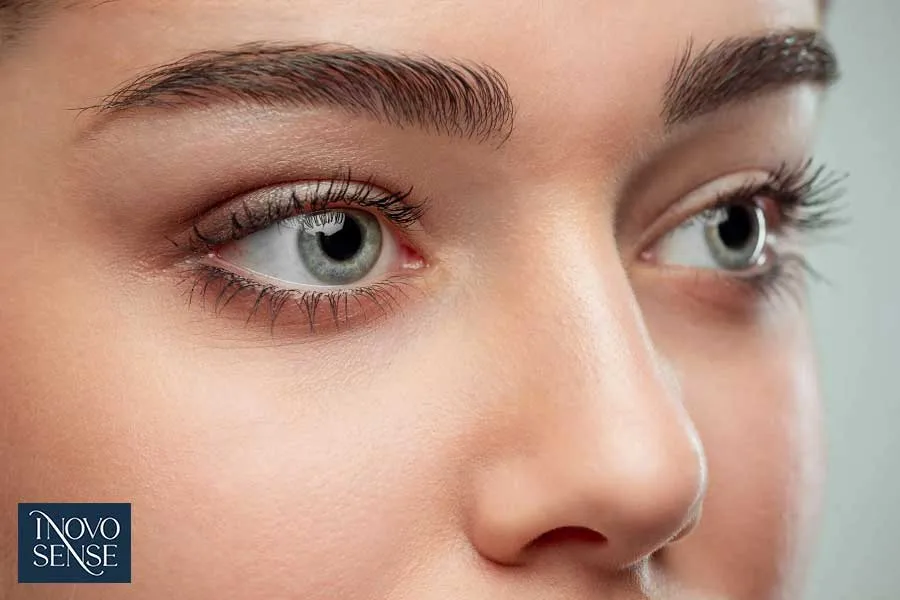
After under-eye filler injection, allow 48 hours for recovery, as you may have mild bruising and swelling. In addition, the American Society of Plastic Surgeons recommends avoiding strenuous physical activity for 24 to 48 hours after receiving any type of filler. Apart from that, you can resume your normal activities immediately.
What are the side effects of under-eye fillers?
According to the American Society of Plastic Surgeons, you can expect some bruising, because the under-eye area has thinner skin with many blood vessels. Swelling is also common. There are other possible side effects: in fact, if fillers are not injected properly, the area may become more swollen and change color. This problem can be treated by injecting an enzyme that breaks down the filler. Infection or the formation of nodules are also possible (and treatable) side effects. There are some much more serious, but rare, complications, including blindness. This emphasizes the fact that you really should look for a doctor who is well trained in this procedure and choose a high-quality, standard filler brand such as Inovosense.
Final note
Although filler injection is not surgery, it is still a cosmetic procedure that carries risks. After the procedure, you will most likely experience only slight bruising and swelling, but you should also be aware of other filler risks such as infection, bleeding, redness and skin rash. To minimize risks and ensure you get the best results, make sure you see a qualified plastic surgeon or dermatologist who is experienced in under-eye filler injection.