
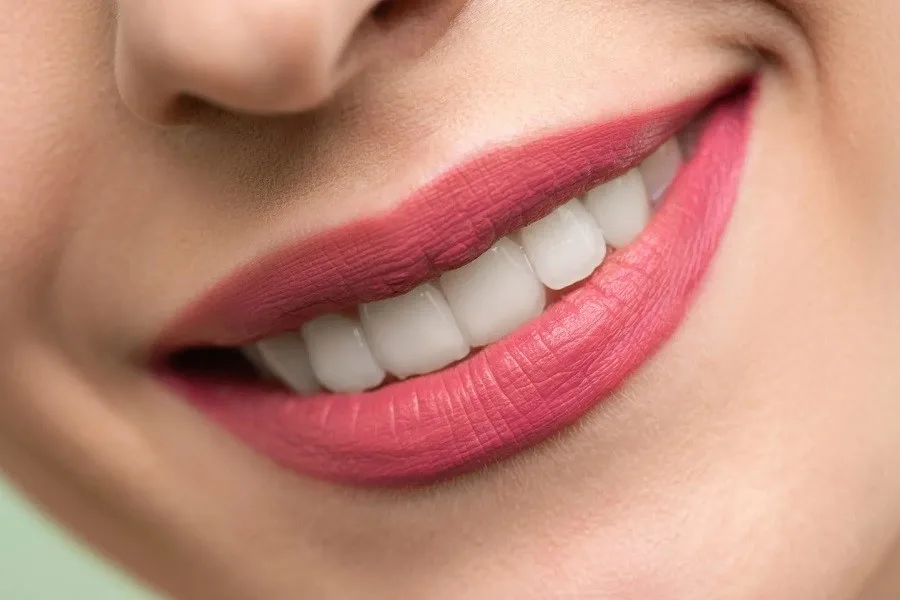
Smile line filler is a popular option for reducing fine and deep lines around the mouth. Dermal fillers are widely used to smooth wrinkles in different areas of the face, and treating smile lines and marionette lines is a sign of attention to the freshness and youthfulness of the skin.
Because of the effective results of filler injection, many people use it as a cautious treatment to get rid of smile lines. One of the positive points of this procedure, compared with plastic surgery, is that there is no need to hide behind closed doors after the injection. By following the care recommendations, people can easily appear in various work or family settings with their new look. The only thing that can spoil this advantage is severe bruising, redness and swelling at the injection site. Therefore, one should be careful about the aftercare recommendations for smile line filler and try as much as possible to follow them.
10 care tips after smile line filler
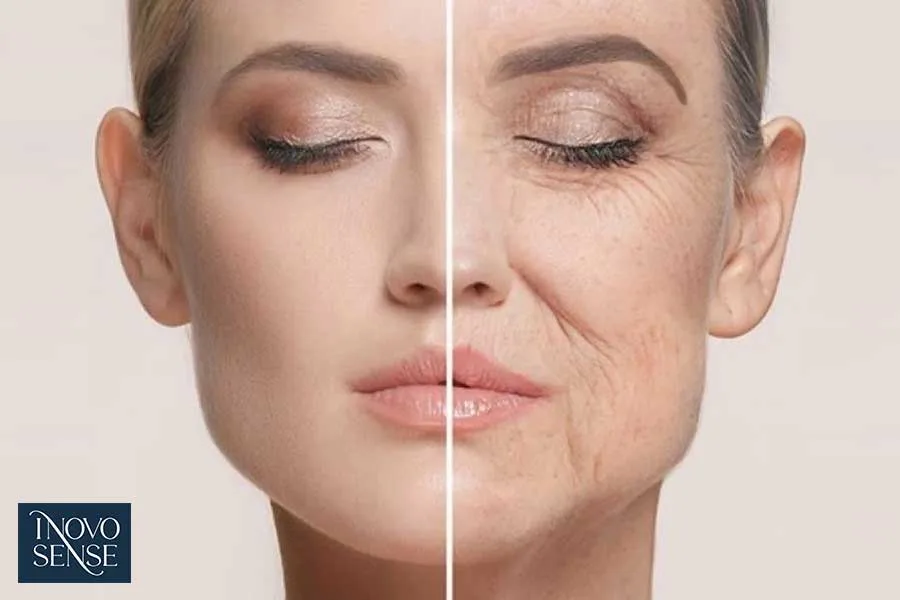
After smile line filler injection, mild side effects may occur; bruising, swelling and tenderness are among the most common side effects seen after gel injection into smile lines and marionette lines. To reduce these side effects or prevent other rare ones, it is important to follow various care recommendations after the injection.
-
Do not sleep on your face
Do not sleep on your face for at least two weeks so that the product stays completely in the injection site. Sleeping on your back is one of the important ways to prevent smile lines; in this position, gravity helps you have a wrinkle-free face during sleep. In addition to the preventive effect of sleeping on your back, it is better to keep the habit of sleeping on your back after smile line filler injection. If you always sleep on your side, you should also try to turn regularly so that the pressure is divided between the two sides of the face.
-
Do not exercise
Avoid sports activities for up to 72 hours after smile line filler injection. The most important reason for this recommendation is to prevent an increase in bruising after the injection. When the fine needle enters the complex tissue of the skin, it tears small blood vessels in the path of the injection. These blood vessels heal quickly, but if you exercise and raise your heart rate, the healing speed decreases and the bruising from the injection increases. The best thing to do is to keep your physical activity as low as possible after the injection and let the healing process follow its natural course.
-
Use a cold compress
To maintain blood flow in the injection area, you can use ice. With this method, it is best to place the ice on the face for a maximum of 2 minutes and repeat this after 10 minutes. For the first 48 hours after the injection, using a cold compress is very helpful for reducing pain, swelling and bruising.
It is better to avoid placing ice directly on the skin, because it causes discomfort or frostbite of the skin. If you wrap the ice in a thin, clean cloth, you can use an ice compress regularly. One point to remember when using ice is that applying it should not put extra pressure on the skin.
-
Do not press your face
For about 6 hours after the injection, avoid touching or excessively massaging the treated areas. If too much pressure is applied, in rare cases dermal fillers may move out of the desired shape. Therefore, it is better to avoid massaging or intensely touching the smile line filler injection areas.
Wearing glasses after filler injection increases pressure on the smile line areas. It is better to wear masks and glasses less during the first week after the injection. The pressure of a mask, like intense touching or massage, changes the shape of the smile line filler gel.

-
Use arnica derivatives
Arnica is a medicinal plant used to treat swelling, bruising and pain. Oral or topical use of this plant is safe in the short term, but you should consult a specialist doctor about how and how much to use it. Arnica is a type of yellow flower from the mountain marigold family. The thymol essential oil in arnica fights infection, and the carotenoid in it, as an antioxidant, has a positive effect on the skin. Oral use of arnica increases white blood cells in the blood.
-
Do not use topical skin products
For 24 hours after gel injection, do not use topical products such as tretinoin, retinol, glycolic acid and anti-aging products. Tretinoin is an ointment for treating acne, pimples and skin blemishes. Using this product may cause itching, bruising or skin irritation.
Retinol is a derivative of vitamin A that is used to exfoliate the surface of the skin. Although this product is used to remove fine lines, wrinkles and blemishes, using it after smile line filler injection may cause itching, redness and peeling in some areas of the skin.
Glycolic acid is an exfoliating compound that helps maintain skin moisture and is used in most skin care products. Increased collagen production is one of the effects of glycolic acid, which speeds up the process of skin cell regeneration. Using products containing glycolic acid after smile line filler injection may cause burning, redness and skin discomfort. It is better not to use toners, creams, gels, homemade masks and chemical exfoliants containing glycolic acid.
-
Stop other skin treatments.
For 2 weeks after the injection, avoid facial treatments such as laser therapy and exfoliation. Laser therapy is a method of skin resurfacing that removes the top layers of the skin. In this method, by exposing the underlying layers of the skin, wrinkles and blemishes are reduced. Using laser after smile line filler injection may cause swelling and pain at the injection site. Infection at the injection site is a rare complication of laser therapy after filler gel injection.
-
Do not use alcohol
Avoid drinking alcohol for 24 hours after the injection. Alcohol is a vasodilator that causes blood vessels to widen. When a blood vessel becomes wider, there is a greater chance that the small injection needles will damage the vessels. On the other hand, alcohol causes fluid retention in the body, which can increase swelling and bruising at the injection site.
-
Do not expose yourself to intense heat and light
The smile line filler injection site should not be exposed to intense heat or light. Direct sunlight and direct ultraviolet rays cause bruising or swelling around the injection site. The ultraviolet radiation in sunlight can break down the hyaluronic acid in dermal fillers.
Long exposure to sunlight reduces the effects of smile line filler. The effect of sunlight on the formation of smile lines reduces the effect of dermal fillers and may make the healing process longer. Sunburn is another effect of intense sunlight, which increases redness and swelling after smile line filler gel injection.
-
Avoid taking over-the-counter medications
Using over-the-counter medications such as aspirin, Motrin, ibuprofen and Aleve, which thin the blood, increases bruising and skin redness after smile line filler injection. Thinning of the blood stimulates the small vessels that were damaged during the injection process. A greater amount of blood in these vessels causes bruising and redness of the skin at the injection site and slows the healing process. If you need to take medication, it is better to consult a specialist doctor and avoid self-prescribing.
Final words
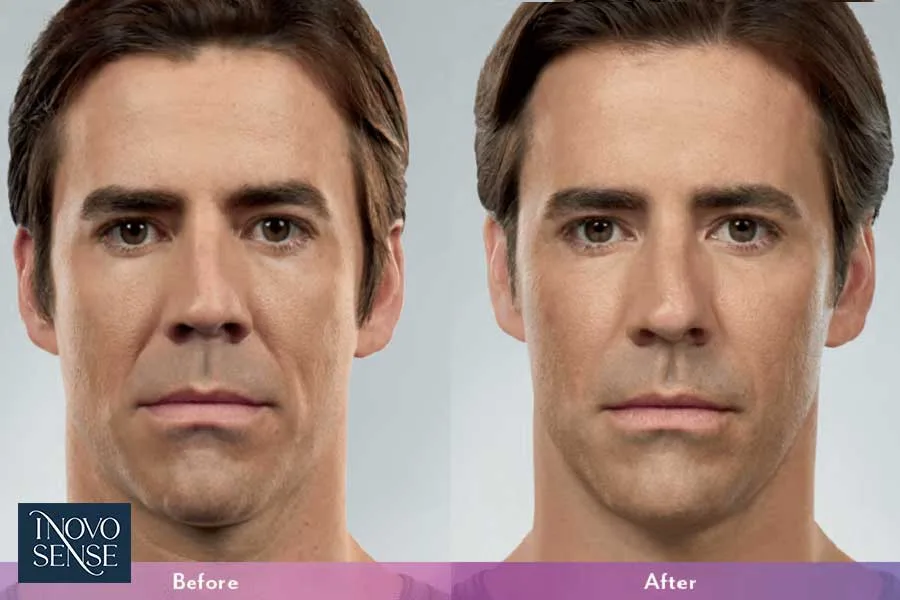
Paying attention to the care recommendations before and after the injection makes the procedure and the recovery afterward more comfortable. Following practical recommendations after the injection helps you have a short and easy recovery period. All you need to do is obtain enough information about the necessary care from a specialist doctor and stay committed to following it for one to two weeks after the procedure.